Views: 1008 Author: Zhangjiagang Shunxuan Machinery Publish Time: 2026-03-23 Origin: Zhangjiagang Shunxuan Machinery


Introduction of PET bottle flake ( Material for PSF)
1. Basic information
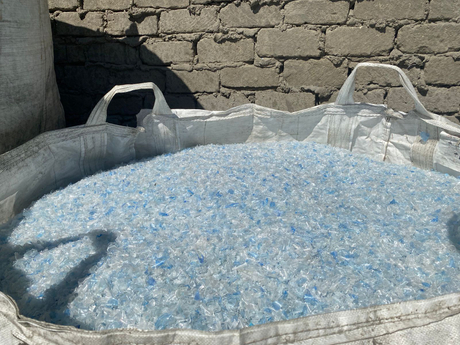
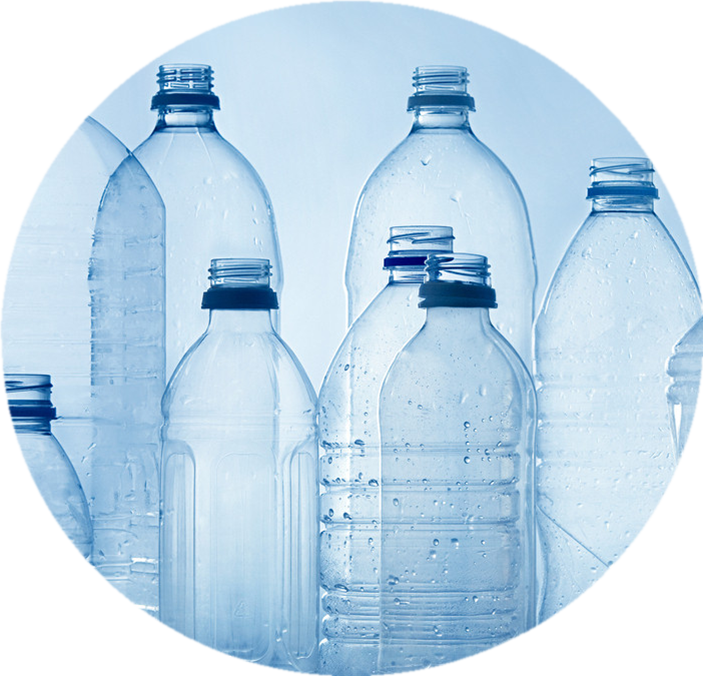
PET (Polyethylene Terephthalate), commonly known as polyester, is a linear thermoplastic general engineering plastic. In the waste plastic recycling industry, PET bottle flakes are the primary processing category, mainly sourced from various PET plastic bottles such as cola bottles and mineral water bottles, and are also the core raw material for producing recycled polyester staple fiber.
The PET recycling rate in the US reaches 32%, and carbonated beverage bottles are mainly made of 2/3 recycled + 1/3 new material with excellent barrier properties.
2. Classification
PET bottle flakes are mainly divided into cleaned and uncleaned flakes two categories, with white flakes (colorless/transparent) at the highest price. Key indicators: PVC ≤3‰ (cleaned flakes), impurity content 5%-20% (uncleaned flakes).
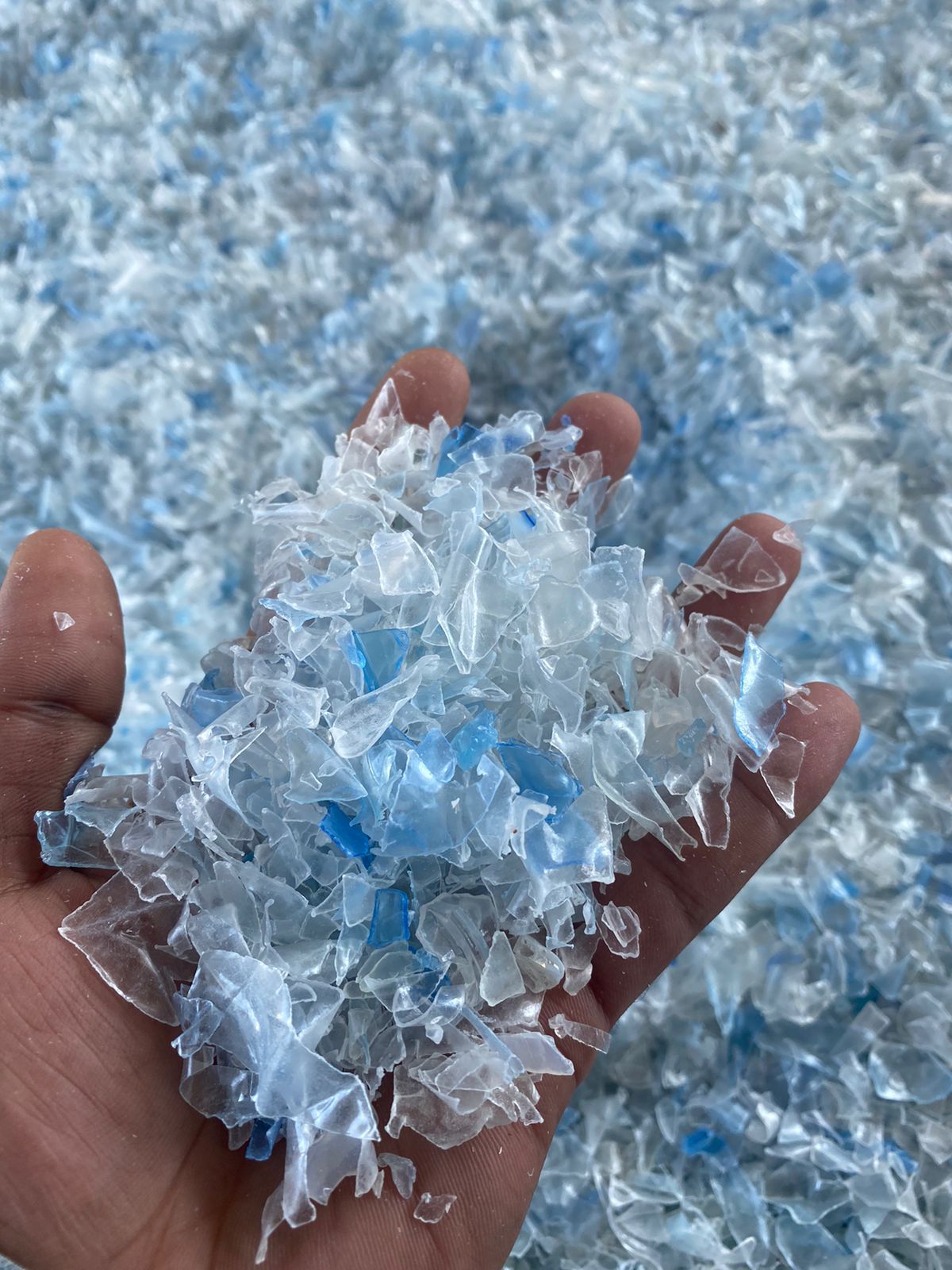
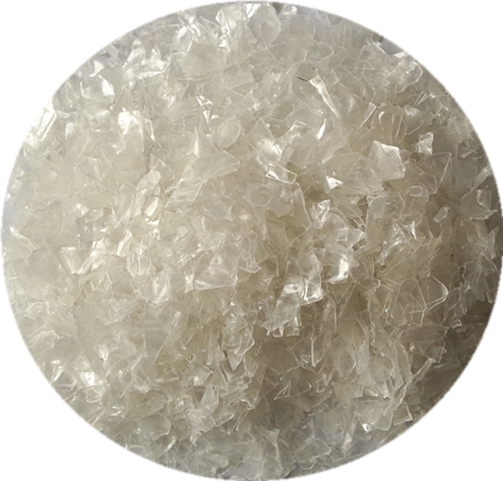
Cleaned flake : Clean and free of impurities, with PVC content not exceeding 3‰ (moisture content calculated separately). Classified by color into white flakes (colorless and transparent bottle crushed material), white & blue flakes, white & blue & green flakes (three-color flakes), green flakes, and variegated flakes.
Uncleaned flake: Crushed material containing impurities such as plastic bottle wrapping paper and bottle caps; flakes containing only wrapping paper are of relatively better quality. Uncleaned flakes also have cleanliness grades, with those from Japan and Taiwan having low impurity content, and most flakes from Europe (e.g., Germany) being unwashed.
3. Process for PET bottle flake recycling ( application for PSF production )
The main target of PET bottle flake recycling and processing is impurity separation, cleaning and drying. After being made into qualified raw materials, it can enter the spinning process. The whole process has 7 core procedures, which is the basic pre-process for producing recycled polyester staple fiber.
4. Key Quality Indicators(for RPSF)
The production of recycled polyester staple fiber has clear quality requirements for PET bottle flakes. The index requirements of staple fiber factories are lower than those of bottle blowing factories, with a core focus on three key indicators: melting point, viscosity and PVC content. The following are the industry general standards and the special raw material standards for hollow polyester staple fiber.
No. | Item | Unit | Quality Requirement | Testing Standard |
1 | Viscosity | dl/g | 0.71~0.73 | GB/T 14190-93 |
2 | Melting Point | ℃ | 240-250 | / |
3 | Water Content | % | ≤1.0 | / |
4 | Ash Content | % | ≤0.1 | / |
5 | Shape Particle | mm | <12×12 | / |
6 | Impurities, PVC/PP/glue etc. | % | ≤0.05 | / |
7 | COOH groups | mol/t | ≤35 | / |
8 | Bulk density | T/m³ | ≥0.35 | / |
9 | Agglutination particle ≥10μm | n/mg | ≤6 | / |
10 | Solid contamination | % | ≤0.05 | / |
11 | Color flakes | % | ≤0.5 | / |
5. On-Site Rapid Identification
Without professional testing equipment, the quality of bottle flakes can be quickly identified on site through sensory + simple tools, with the core of checking whether PVC impurities, melting point and viscosity meet the standards, which is a practical method for raw material procurement in recycled polyester staple fiber projects.
Smell: Burn the bottle flakes with a lighter, pure PET will emit a fragrant and comfortable smell; if it contains impurities (e.g., SEBS), the smell will be pungent and unpleasant.
Observe Combustion State: If the burned part is excessively black and oil drops fall too fast, the melting point is mostly abnormal, which is common in PET film flakes.
Wire Drawing Test: Pull the bottle flakes into filaments while burning. The longer the filament and the more the break point curls after breaking, the higher the melting point. This index is generally no obvious problem for bottle flake raw materials.
PVC Impurity Identification
Visual identification: Spread the sample flat in the sun, PVC appears pale blue in the sun and will have white creases after folding (accuracy depends on experience).
Oven identification: Put the bottle flakes into an oven at 250℃ for 30 minutes. If PVC is contained, a lot of yellow spots will appear on the surface; if the melting point is not up to standard, the bottle flakes will melt quickly (the most practical method).
6、Project Value
As the core raw material of recycled polyester staple fiber, PET bottle flakes feature mature recycling process, easy access and controllable cost, in line with environmental recycling policies. Raw material quality directly determines the quality and production efficiency of staple fiber products.